A MONK
A HAMMER & HISTORY

_____________________________________________________
"Unless I am convinced by the testimony of the Scriptures or by clear reason ... I am bound by the Scriptures ...  my conscience is captive to the Word of God.”

THE  HISTORY

_____________________________________________
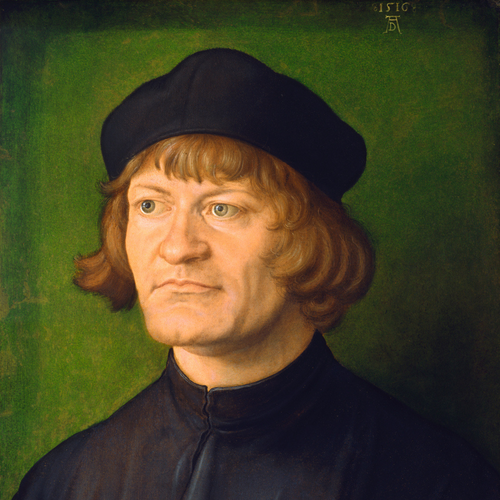
Over 500 years ago, in Wittenberg,  Germany a monk named Martin Luther started a protest that exploded into worldwide movement. With a simple hammer, he nailed his 95 these to the castle door in Wittnerberg for all to read. At that time, Europe lived in the shadow of the Roman Catholic Church. It was more like an empire than a church. It crowned and cast down kings, and used its dominance to keep people in the darkness of superstition. That sounds pretty unfamiliar.

But in some ways, Luther’s day was very much like our own. Just like today, everyone had an opinion about the Bible even though few people had actually read it. Like so many of us, they were trusting the thought-leaders and taste-makers of their day to tell them what was in the Bible and whether or not to believe it.

Luther was one of the very few people actually reading the Bible, and what he found was earth-shattering. When he studied it, the world around him began to make sense. God made sense. The significance of Jesus became clear to him. He discovered the answer to his deepest question: how could evil be overcome?

Specifically, how could his own evil—his own sin—be dealt with?
You are invited to be part of the continuing history of this protest that is called Protestantism, which seeks to reform the church and the world in the shape of Jesus Christ and the message of the gospel.

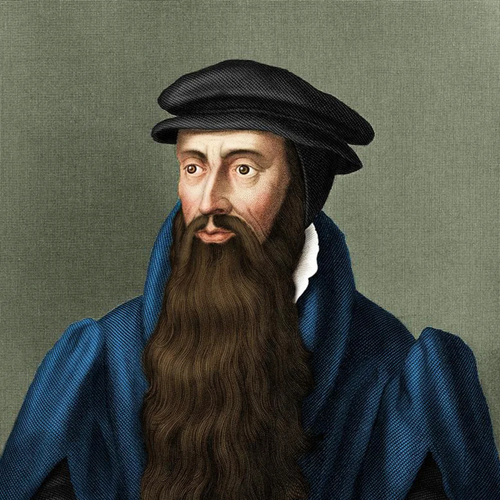
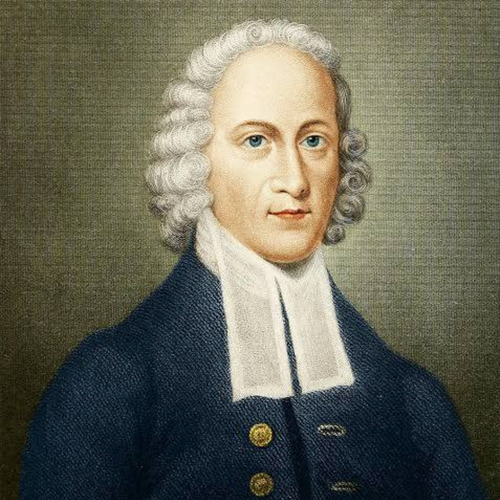
JOHN CALVIN

1483-1546

________________________________
"Here I stand, I can do no other, so help me God. Amen."

THE HERITAGE

______________________________________________

THE  REFORMERS

In a short time, the Reformation swept through Germany but did not stop there. Aided by the translation of the Bible in other nations, the reform spread to the Huguenots in France, to Scotland, England, Switzerland, Hungary, and Holland. Ulrich Zwingli led the Reformation movement in Switzerland, John Knox in Scotland, and John Calvin among the French Protestants.

In 1534 Calvin delivered a speech calling the church to return to the pure Gospel of the New Testament. His speech was burned, and Calvin fled Paris to Geneva. Disguised as a vinedresser, he escaped the city in a basket. During the next year, some two dozen Protestants were burned alive in France.

This provoked Calvin to write his famous Institutes of the Christian Religion, which was addressed to the King of France. His thought contained in the Institutes developed into the dominant theology for the international expansion of the Reformation.

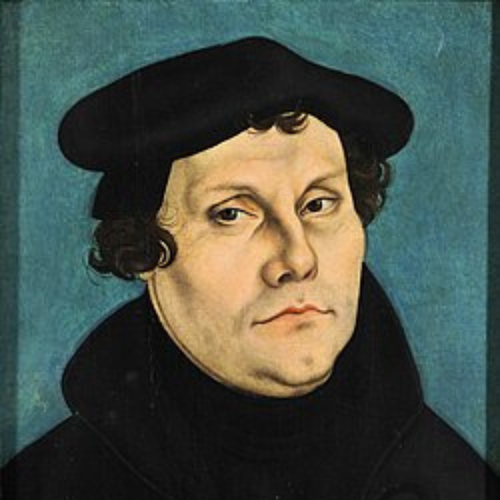
Martin Luther 

1486-1546
Posted his 95 Theses in 1517 in Wittenberg, Germany.

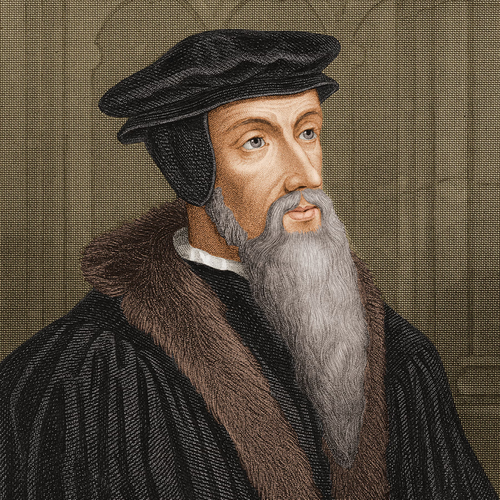
John Calvin 

1509-1564
Furthered reform in France and Switzerland

Huldrych Zwingly 

1484-1531
Reformer in Switzerland with a Baptist perspective.

John Knox

(1514-1572)
 Established the Presbyterian Church of Scotland.

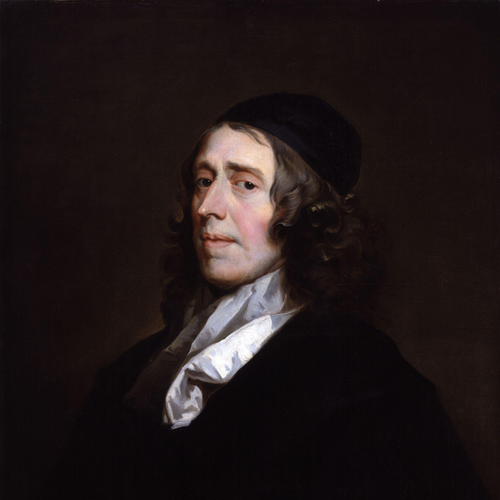
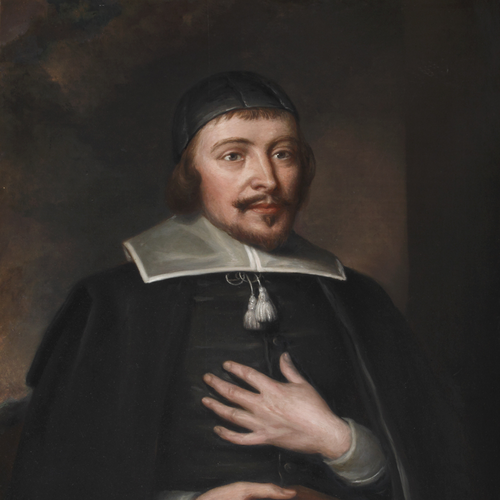
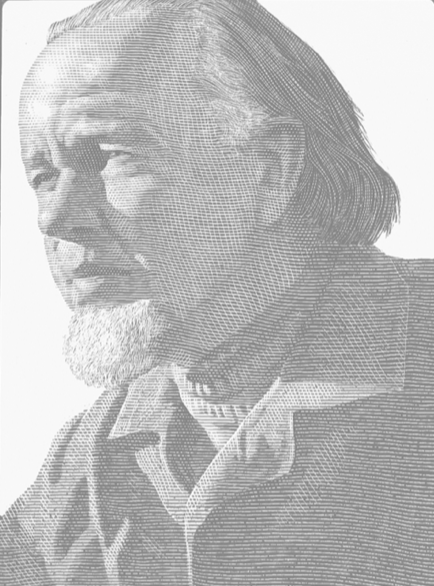
JOHN OWEN

1616-1683

________________________________

THE PURITANS

________________________________
The Protestant Reformation of the sixteenth century — that started with Martin Luther —was really a collection of several reformations across Europe. Various reformations of both church and society took place in nations including Germany, Switzerland, the Netherlands, Scotland, and England.

The Puritans of the sixteenth and seventeenth centuries sought to bring about a more thorough Reformation in England—to purify the English church from any Roman Catholic vestiges—especially in the areas of theology, worship, and personal holiness.

Originally used pejoratively, the term Puritan referred to one who, politically, reacted against the via media (middle way) of the Elizabethan Settlement; who, theologically, held the Reformed views of the five solas and (usually) the doctrines of grace summarized by the acronym TULIP; and who was committed to discipleship, evangelism, an experiential faith, communion with God, and personal piety. While there has been much debate over the exact dates of the Puritan movement, Puritanism flourished between 1558 and 1689 in England and during the early eighteenth century in America.
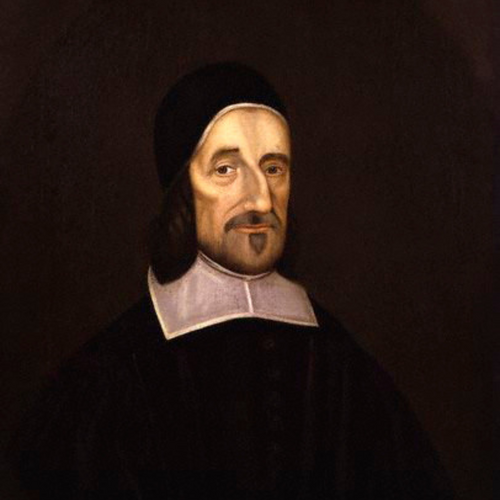
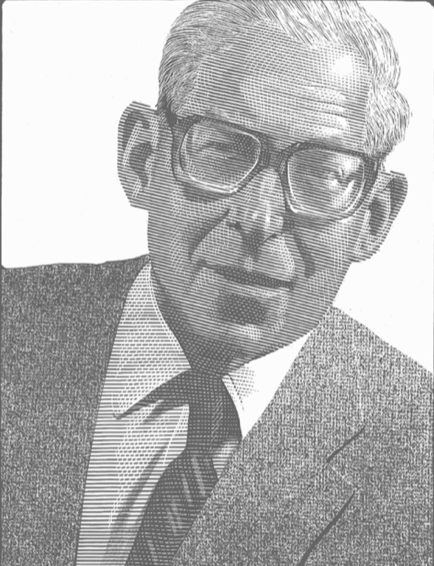
Richard Baxter

1615-1691
Sparked the Reformation in 1517 with his 95 Theses in Wittenberg, Germany.

John Owen

1616-1683
Furthered the Reformation; wrote Institutes of the Christian Religion.

Charles  Spurgeon

1834-1982
Led the Reformation in Switzerland, helped with a Baptist perspective.

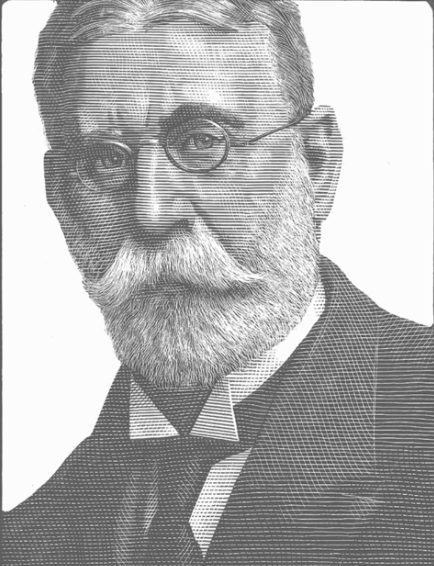
C.H.  Spurgeon

1834-1982
Referred to as "the last of the Puritans" because his ministry deeply reflected the Puritans.

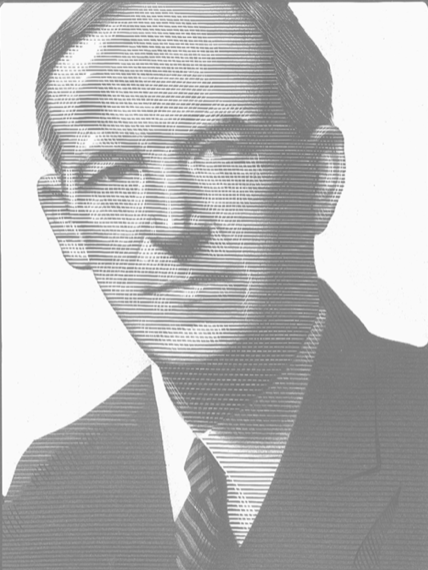
VODDIE BAUCHAM

1969-2025

________________________________

VODDIE BAUCHAM

1969-2025

________________________________

THE MODERN ERA

_______________________________________
Reformation theology dominated Protestant evangelicalism for decades but became diluted later under influences of Pietism and Finneyism. By the end of the twentieth century, Reformation theology declined dramatically in the Western world, being assaulted by nineteenth century liberal theology on the one hand, and the influence of Arminian theology on the other. This was especially true in America.

Yet, there have been contemporary men who have been influential in preserving the very truths that brought the Scriptures into the hands. These men have been a catalyst and brought about a revival of interest in the Bible and a renewed commitment to the authority and trustworthiness of Scripture. 

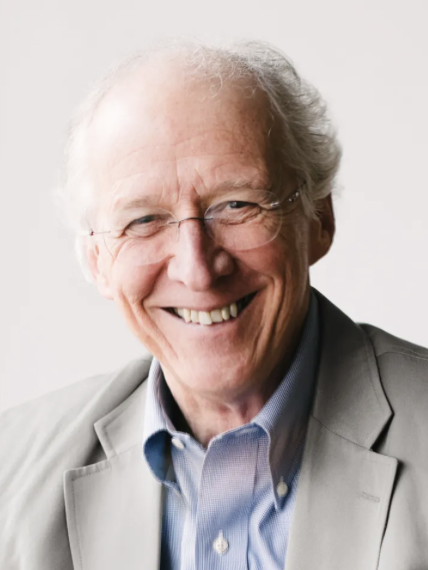
John Piper 

Desiring God Minsitres
Sparked the Reformation in 1517 with his 95 Theses in Wittenberg, Germany.

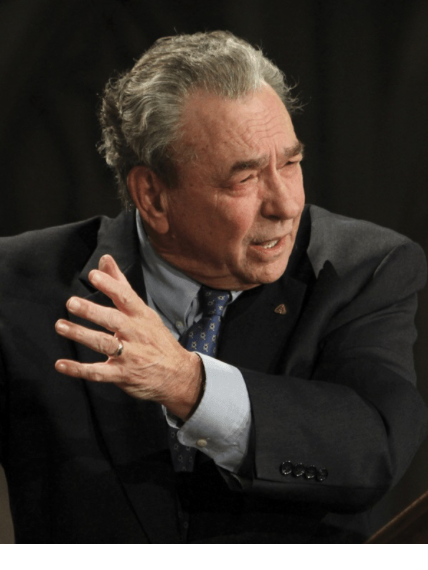
R.C. Sproul

Ligoneir Ministries
Furthered the Reformation; wrote Institutes of the Christian Religion.

Mark Dever

President 9Marks
Led the Reformation in Switzerland, helped with a Baptist perspective.

R. Albert Mohler

President of Southern
Reformer in Scotland, established  Presbyterian Church of Scotland.

Have questions or need help?

We'd love to hear from you. Fill out the form below to get started.